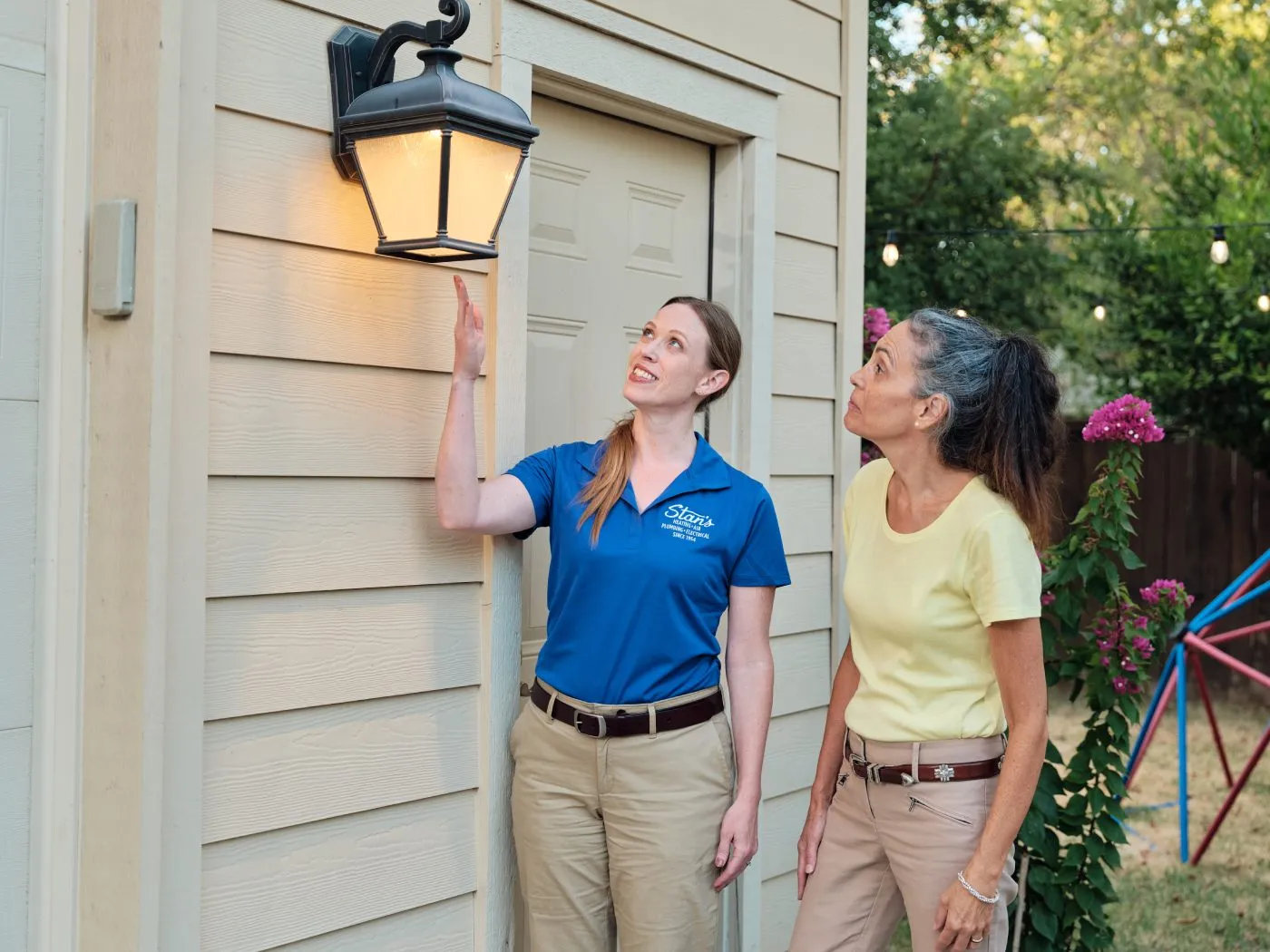
Lights may flicker when appliances turn on because those appliances temporarily draw a large amount of electricity from the circuit. This sudden demand can cause a brief drop in voltage, which affects the lights connected to the same electrical system. In some cases, flickering lights may also indicate overloaded circuits, loose wiring, or an electrical panel that cannot keep up with modern power demands.
Many household appliances require a large amount of electricity when they first start running. This is especially true for appliances that use motors or compressors, such as air conditioners, refrigerators, washing machines, and microwaves.
When these appliances power on, they create a temporary surge in electrical demand. If the electrical system cannot immediately supply enough power, the voltage in the circuit may dip briefly.
This drop in voltage can cause nearby lights to flicker or dim for a moment.
Yes, occasional flickering can be normal when large appliances start running. A brief flicker may occur as the appliance draws extra power during startup. However, frequent or severe flickering may indicate an electrical system that needs attention.
If flickering happens regularly or affects multiple rooms, it is a good idea to have the electrical system inspected.
In some homes, multiple appliances and lighting fixtures share the same electrical circuit. When several devices operate at the same time, the circuit may struggle to supply enough electricity.
This overload can cause voltage fluctuations that make lights flicker or dim.
An overloaded circuit occurs when the electrical demand exceeds the circuit’s capacity. When this happens, voltage may drop temporarily, causing lights to dim or flicker.
In more serious cases, overloaded circuits can trip breakers or create overheating within the wiring.
Loose wiring connections can also cause lights to flicker when appliances turn on. If connections within outlets, switches, or electrical panels become loose, electricity may not flow consistently through the system.
These interruptions can create noticeable flickering when power demand changes.
Yes, loose wiring can cause flickering lights because unstable electrical connections interrupt the steady flow of electricity. When appliances draw additional power, weak connections may struggle to maintain consistent voltage.
Because loose wiring can create safety risks, it should be inspected and repaired by a licensed electrician.
Older electrical panels may not be designed to support the electrical needs of modern homes. As households add more electronics and appliances, the demand on the electrical system increases.
If the panel cannot distribute electricity efficiently, lights may flicker when high-power appliances start running.
Yes, an outdated electrical panel may struggle to handle modern electrical loads. When large appliances turn on, the panel may not be able to distribute power evenly throughout the home, causing lights to flicker.
Upgrading the electrical panel can improve power stability and reduce voltage fluctuations.
While occasional flickering can be harmless, consistent flickering may indicate deeper electrical issues that should not be ignored.
Warning signs include:
If these symptoms appear, a professional electrical inspection can help identify the cause.
Yes, flickering lights should be inspected if the issue happens often or affects multiple areas of the home. A licensed electrician can evaluate circuits, wiring connections, and the electrical panel to ensure the system is operating safely.
Early inspection can help prevent more serious electrical problems.
Lights that flicker when appliances turn on may be caused by normal voltage fluctuations, but they can also indicate overloaded circuits, loose wiring, or an outdated electrical system. Identifying the cause early can help protect your home and prevent larger electrical issues.
If you notice frequent flickering lights or suspect an electrical problem, the experienced electricians at Stan’s Heating, Air, Plumbing & Electrical can help inspect your system and recommend the right solution. Contact Stan’s today to schedule an electrical inspection and ensure your Austin home’s electrical system is operating safely.
Do LED lights flicker more than other bulbs?
LED lights can appear to flicker more noticeably than other bulbs because they respond quickly to voltage changes. However, this does not always indicate a serious electrical problem.
Can appliances damage electrical circuits?
Appliances themselves do not typically damage circuits, but high electrical demand from multiple appliances can strain older or overloaded wiring systems.
Are flickering lights a fire hazard?
Occasional flickering is not usually dangerous, but flickering caused by loose wiring or overloaded circuits can increase the risk of electrical hazards if left unaddressed.
Should appliances be on separate circuits?
Yes, many large appliances are designed to operate on dedicated circuits to prevent overloading and maintain stable electrical flow.
Fast HVAC repairs and installs for Austin homes. Our techs restore your comfort quickly, any time of year.
From leaks to water heaters, our Austin plumbers handle it all with speed, expertise, and a satisfaction guarantee.
Clogged or slow drains? Stan's fixes drain issues fast with cleaning, hydro jetting, and camera inspection services.
Licensed electricians for repairs, panel upgrades, and EV charger installs. Safe, code-compliant work, guaranteed.
Stan’s Heating, Air, Plumbing & Electrical is proud to serve the entire Austin area for all heating, air conditioning, and plumbing needs. Call us today and find out why so many of our clients depend on Stans!


