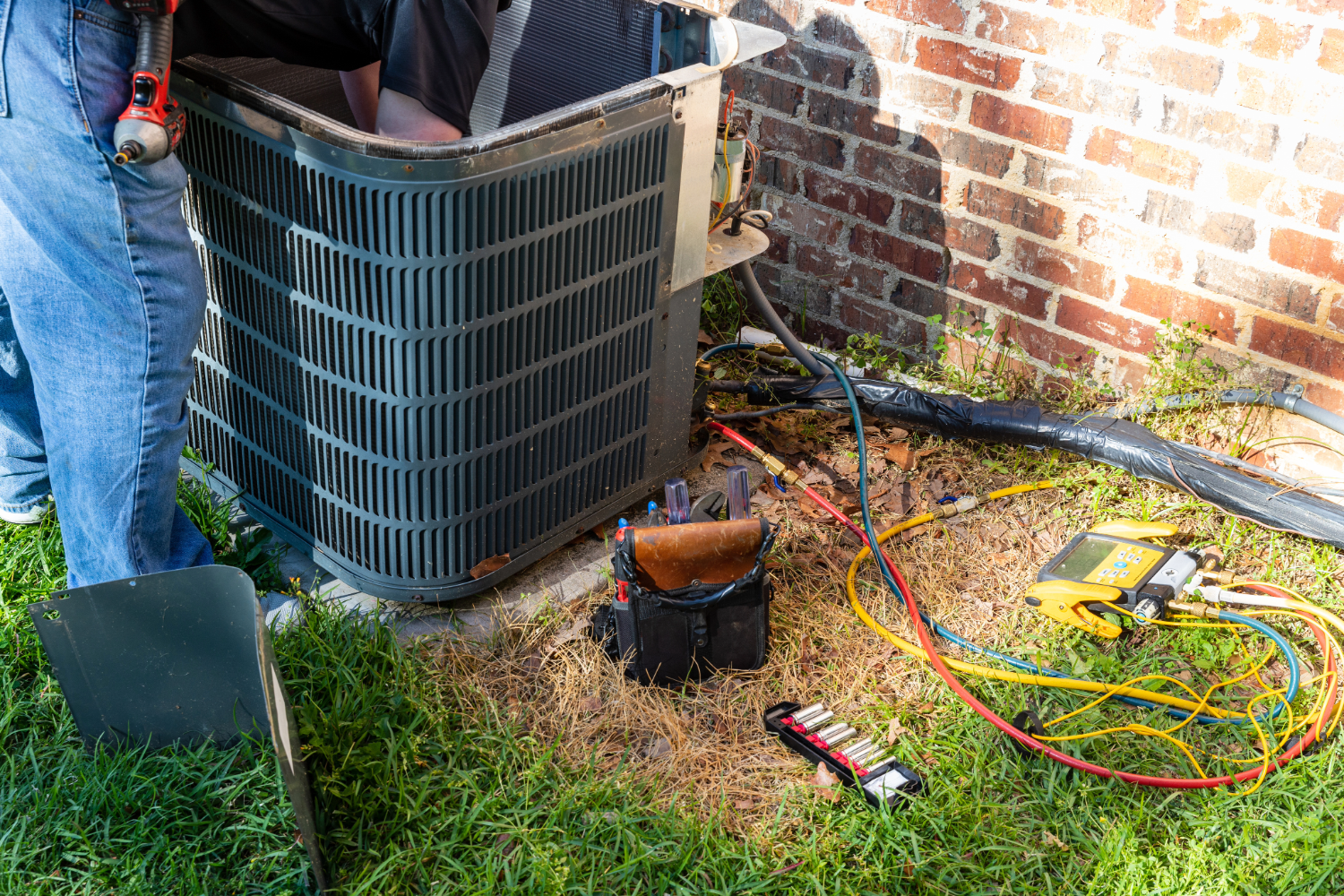
An HVAC energy audit evaluates how efficiently your home uses heating and cooling by examining insulation, airflow, ductwork, and HVAC system performance. The audit can reveal hidden energy losses, inefficient equipment, air leaks, and other issues that cause higher energy bills. Identifying these problems helps homeowners improve comfort, reduce energy waste, and lower utility costs.
An HVAC energy audit is a professional assessment designed to evaluate how efficiently your home’s heating and cooling system operates. During the audit, technicians examine several components of your home that affect energy usage, including insulation, air leaks, ductwork, and the HVAC system itself.
The goal of the audit is to identify areas where energy may be wasted and recommend improvements that can make your home more comfortable and energy efficient.
An HVAC energy audit works by evaluating the major factors that influence heating and cooling efficiency. Technicians typically inspect insulation levels, test airflow through duct systems, check HVAC equipment performance, and look for areas where conditioned air may be escaping.
Some audits may also include diagnostic tools such as thermal imaging cameras or airflow testing equipment to locate hidden energy loss.
Air leaks are one of the most common causes of energy loss in residential homes. Gaps around windows, doors, attic spaces, and ductwork allow conditioned air to escape and outdoor air to enter.
These leaks force HVAC systems to run longer to maintain comfortable temperatures.
Air leaks affect HVAC efficiency because they allow cooled or heated air to escape from the home. When this happens, the HVAC system must work harder to replace the lost air and maintain the thermostat setting.
Sealing air leaks can significantly improve energy efficiency and help reduce strain on the HVAC system.
Insulation plays a major role in maintaining stable indoor temperatures. Without proper insulation, heat can easily enter the home during summer and escape during winter.
During an HVAC energy audit, technicians evaluate insulation levels in areas such as attics, walls, and crawl spaces.
Insulation impacts energy costs because it slows the transfer of heat between the indoors and outdoors. Homes with insufficient insulation often experience larger temperature swings, forcing HVAC systems to run longer and consume more energy.
Upgrading insulation can improve temperature control and lower heating and cooling expenses.
An HVAC energy audit also focuses on the performance of the heating and cooling equipment itself. Older or poorly maintained systems often operate less efficiently than newer models.
Technicians may inspect components such as the air handler, condenser unit, and thermostat settings to determine whether the system is operating properly.
Yes, older HVAC systems can waste energy if they are no longer operating efficiently. As systems age, components wear down and efficiency decreases, which can lead to higher energy consumption and reduced comfort.
In some cases, upgrading to a modern energy-efficient system can significantly reduce energy costs.
Ductwork carries heated or cooled air throughout your home. If ducts are leaking or poorly insulated, a large portion of that conditioned air can be lost before it reaches your living spaces.
An energy audit often includes inspecting ducts for leaks, damage, or poor airflow.
Duct leaks can waste a surprising amount of energy. In some homes, poorly sealed ducts may lose a significant portion of conditioned air before it reaches rooms, forcing the HVAC system to run longer to compensate.
Sealing and insulating ductwork can improve airflow and reduce energy waste.
Many homeowners schedule energy audits to reduce their utility bills, but audits can also improve indoor comfort. Identifying areas where heat enters or escapes the home can help eliminate hot and cold spots.
By improving airflow, insulation, and system performance, homeowners can maintain more consistent temperatures throughout the house.
Yes, HVAC energy audits can be valuable because they identify hidden inefficiencies that may otherwise go unnoticed. Addressing these issues can improve comfort, reduce strain on the HVAC system, and lower monthly energy costs.
For many homeowners, the improvements recommended during an audit lead to long-term energy savings.
An HVAC energy audit can uncover hidden problems affecting your home’s heating and cooling efficiency. Issues such as air leaks, poor insulation, ductwork problems, and aging equipment can all contribute to higher energy bills and reduced comfort.
If you want to improve energy efficiency and get the most out of your HVAC system, the experts at Stan’s Heating, Air, Plumbing & Electrical can help evaluate your home’s heating and cooling performance. Contact Stan’s today to schedule an HVAC inspection and learn how to improve comfort and energy efficiency in your Austin home.
How long does an HVAC energy audit take?
Most HVAC energy audits take between one and three hours, depending on the size of the home and the level of testing involved.
Can an energy audit reduce energy bills?
Yes, an energy audit can help reduce energy bills by identifying inefficiencies such as air leaks, poor insulation, or HVAC system problems.
Do older homes benefit from energy audits?
Older homes often benefit the most from energy audits because they are more likely to have insulation issues, air leaks, or outdated HVAC systems.
What tools are used during an energy audit?
Technicians may use tools such as thermal cameras, airflow testing equipment, and duct inspection tools to locate energy loss and efficiency problems.
Fast HVAC repairs and installs for Austin homes. Our techs restore your comfort quickly, any time of year.
From leaks to water heaters, our Austin plumbers handle it all with speed, expertise, and a satisfaction guarantee.
Clogged or slow drains? Stan's fixes drain issues fast with cleaning, hydro jetting, and camera inspection services.
Licensed electricians for repairs, panel upgrades, and EV charger installs. Safe, code-compliant work, guaranteed.
Stan’s Heating, Air, Plumbing & Electrical is proud to serve the entire Austin area for all heating, air conditioning, and plumbing needs. Call us today and find out why so many of our clients depend on Stans!


