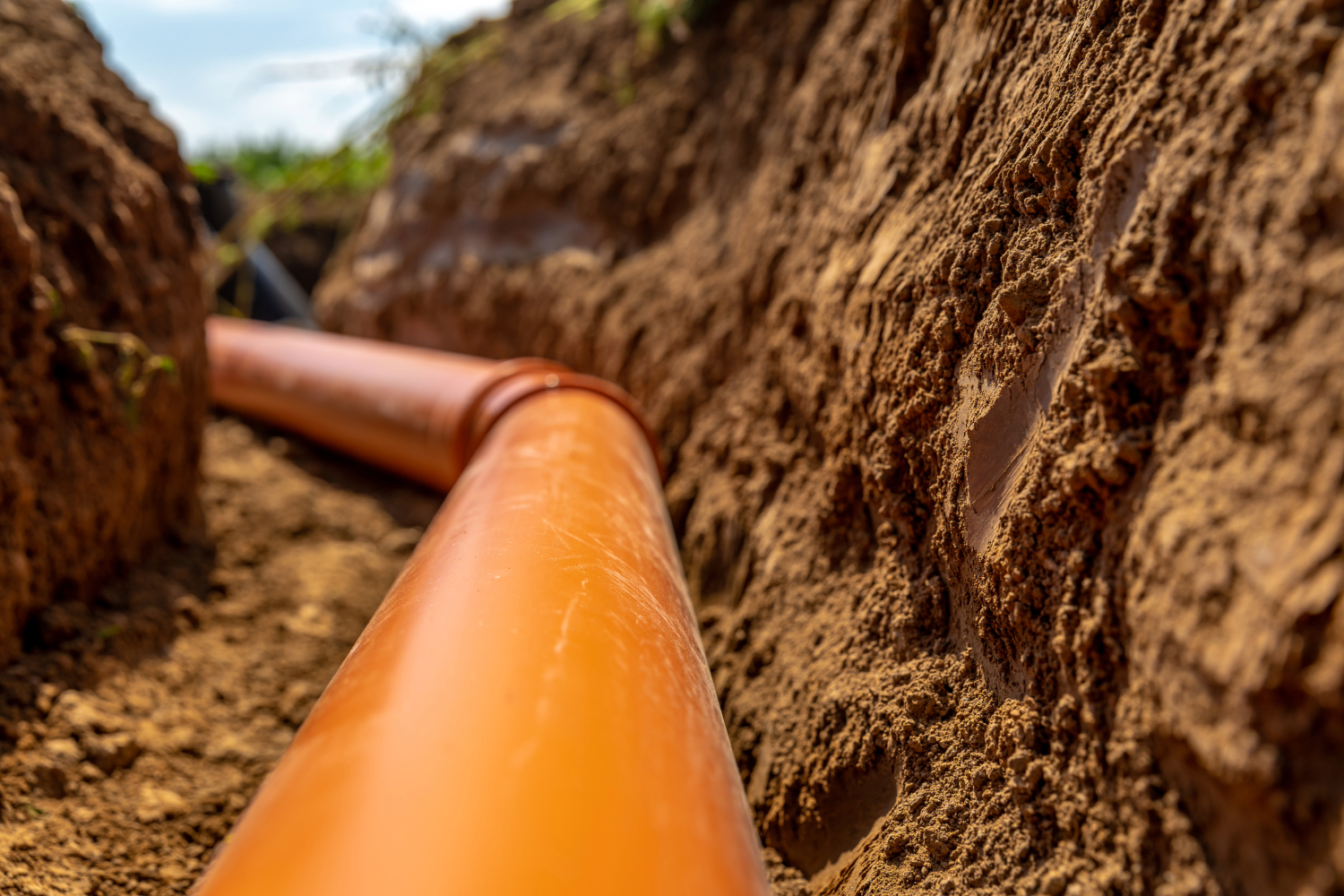
Tree roots damage sewer lines by growing toward the moisture inside underground pipes and entering through small cracks or pipe joints. In Central Texas, shifting soil and aging sewer pipes make it easier for roots to penetrate plumbing lines. Once inside the pipe, roots expand and can block wastewater flow, cause backups, and eventually break the sewer line.
Tree roots are constantly searching for water and nutrients in the soil. Underground sewer lines provide a steady source of moisture, which naturally attracts nearby roots. Even healthy pipes can release small amounts of condensation that roots detect underground.
Once roots reach a sewer pipe, they often find tiny openings such as pipe joints, cracks, or weak spots in aging materials. These openings allow small root fibers to enter the pipe where they begin absorbing moisture from the wastewater flowing inside.
Over time, those small roots expand and create larger blockages within the pipe. When these pipes are blocked, dedicated sewer repair is required to fix the issue.
Tree roots enter sewer pipes through small openings in the plumbing system. These entry points can include cracks in aging pipes, loose pipe connections, or deteriorating pipe materials that have weakened over time.
Once the roots reach the inside of the pipe, they continue growing as they absorb moisture and nutrients. As the root mass expands, it can trap waste and debris, eventually creating a serious blockage that restricts wastewater flow.
Homes in Central Texas often face a higher risk of sewer line root intrusion due to regional soil conditions and mature landscaping.
The area’s expansive clay soil expands when wet and shrinks during dry periods. This constant movement can place pressure on underground pipes and create small fractures or pipe joint separations.
In addition, many homes in the Austin area have large trees with extensive root systems that can spread far beyond the visible canopy.
Large trees with aggressive root systems are more likely to invade sewer lines. In Central Texas, oak trees, elm trees, and other mature shade trees commonly develop widespread root systems that search for underground water sources.
When these trees are planted near sewer lines, their roots may eventually grow toward the pipes and attempt to enter through small openings.
Root intrusion typically develops gradually, which means homeowners often notice warning signs before a complete sewer blockage occurs.
Slow drains throughout the house, frequent backups, and unusual plumbing noises are often early indicators that something may be blocking the sewer line.
Other symptoms may appear outside the home, such as patches of unusually green grass or damp soil above the sewer line.
You may have tree roots in your sewer line if multiple drains in your home begin slowing down at the same time or if you experience recurring backups. Gurgling sounds from toilets or drains can also indicate air trapped in the pipe due to a blockage.
The most reliable way to confirm root intrusion is with a professional sewer camera inspection. Plumbers can insert a small camera into the pipe to visually locate roots and identify the extent of the damage.
Once roots have entered a sewer line, the appropriate sewer repair method depends on the severity of the blockage and the condition of the pipe.
In many cases, plumbers can remove smaller root intrusions and clear the line using specialized equipment. However, if the pipe itself has been damaged, more extensive repair may be necessary.
Yes, tree roots can often be removed from sewer pipes using professional plumbing equipment such as hydro jetting or mechanical root cutting tools. These methods break apart roots and flush debris out of the pipe.
If the pipe has cracks or structural damage, plumbers may recommend repairing or replacing the affected section to prevent the roots from returning.
Tree roots are a common cause of sewer line damage in Central Texas. As roots grow toward underground moisture, they can enter small cracks in pipes and gradually create blockages or structural damage to the sewer line.
If you are experiencing slow drains, recurring backups, or suspect tree roots may be affecting your sewer line, it is important to address the issue early. The plumbing experts at Stan’s Heating, Air, Plumbing & Electrical can inspect your sewer line and recommend the right repair solution. Contact Stan’s today to schedule a sewer inspection and keep your home’s plumbing system running smoothly.
Can tree roots completely block a sewer line?
Yes. As roots grow inside a sewer pipe, they can trap debris and waste material until the pipe becomes completely blocked.
Are older sewer pipes more vulnerable to root damage?
Yes. Aging materials, such as clay or cast iron pipes, are more likely to develop cracks or weak joints that allow roots to enter.
How do plumbers check for roots in a sewer line?
Plumbers typically perform a sewer camera inspection, which allows them to view the inside of the pipe and locate root intrusions or other damage.
Can hydro jetting remove tree roots?
Hydro jetting can break apart smaller root intrusions and flush them out of the sewer line, helping restore normal drainage.
Fast HVAC repairs and installs for Austin homes. Our techs restore your comfort quickly, any time of year.
From leaks to water heaters, our Austin plumbers handle it all with speed, expertise, and a satisfaction guarantee.
Clogged or slow drains? Stan's fixes drain issues fast with cleaning, hydro jetting, and camera inspection services.
Licensed electricians for repairs, panel upgrades, and EV charger installs. Safe, code-compliant work, guaranteed.
Stan’s Heating, Air, Plumbing & Electrical is proud to serve the entire Austin area for all heating, air conditioning, and plumbing needs. Call us today and find out why so many of our clients depend on Stans!


